
By Zara Smalley | Nutritionist in Chelsea, Battersea & Clapham
If you're a woman living in South West London and you've been dealing with irregular periods, stubborn weight gain, acne, mood swings, or crushing fatigue — there's a good chance your hormones are out of balance.
And here's what most people don't realise: your diet is one of the most powerful tools you have to fix it.
As a nutritionist working with women across Chelsea, Battersea, and Clapham, hormone balance is one of the most common issues I help with. The right dietary changes can transform how you feel — often within a single menstrual cycle.
Here's everything I recommend.

What Does "Hormone Balance" Actually Mean?
Your body produces dozens of hormones, but the ones most affected by diet include:
Oestrogen — regulates your menstrual cycle, mood, and bone health
Progesterone — supports sleep, calm, and fertility
Cortisol — your stress hormone (chronically elevated in most London professionals)
Insulin — controls blood sugar and fat storage
Thyroid hormones (T3 & T4) — regulate metabolism and energy
When these hormones are out of balance, you feel it: weight gain (especially around the middle), PMS, irregular periods, anxiety, hair loss, acne, insomnia, and brain fog.
The good news? Nutrition directly influences every single one of these hormones.
The Hormone Balance Diet: What to Eat

1. Cruciferous Vegetables — Your Oestrogen Regulators
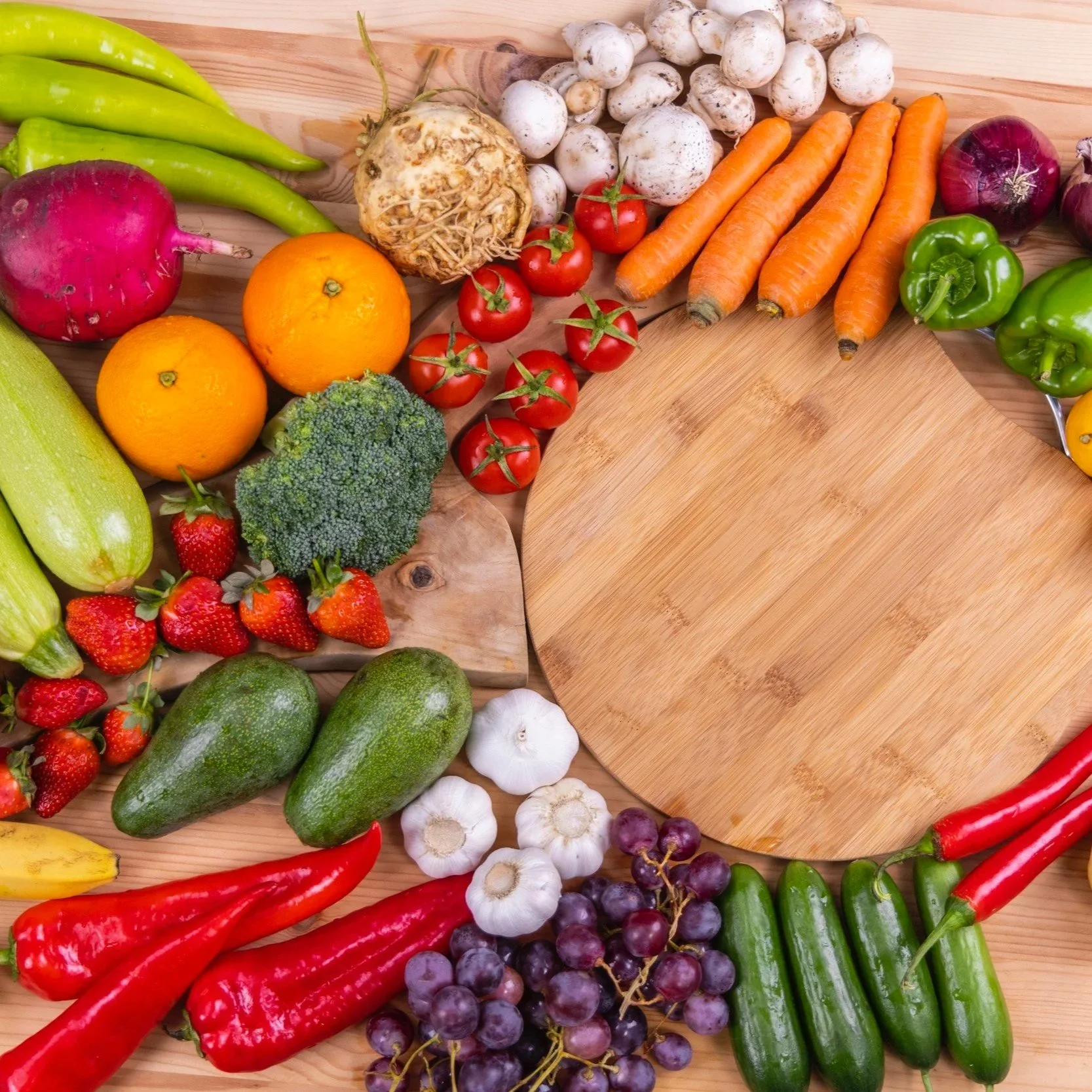
Broccoli, cauliflower, Brussels sprouts, kale, and cabbage contain a compound called DIM (diindolylmethane) that helps your liver metabolise and clear excess oestrogen.
Oestrogen dominance — where oestrogen is high relative to progesterone — is incredibly common and causes:
Heavy, painful periods
Breast tenderness
Weight gain on hips and thighs
Mood swings and irritability
How much: Aim for at least one serving of cruciferous vegetables daily. Lightly steamed or roasted is best for absorption.
2. Healthy Fats — The Building Blocks of Hormones
Your body literally needs fat to make hormones. Low-fat diets are one of the worst things for hormonal health.
Best sources:
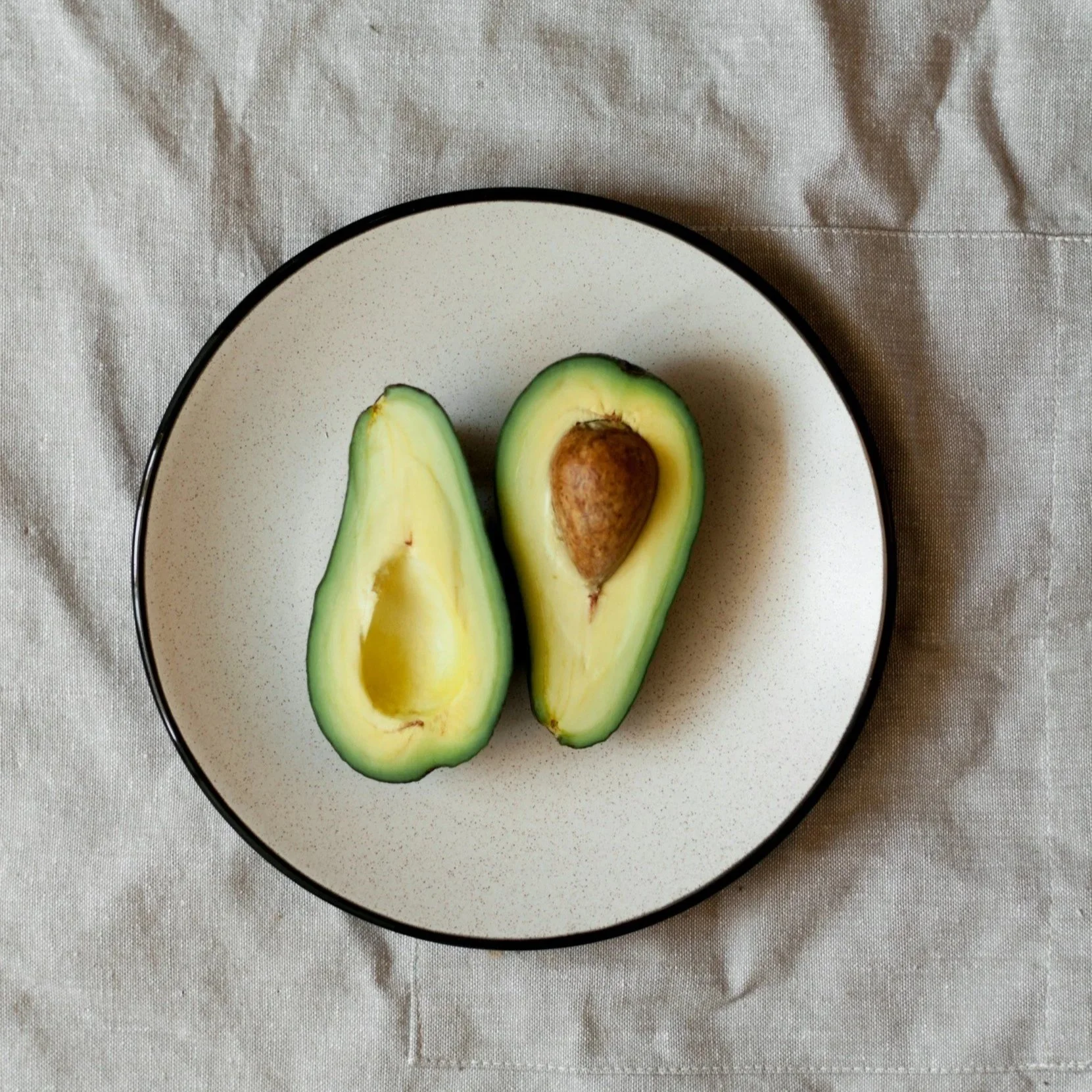
Avocado
Extra virgin olive oil
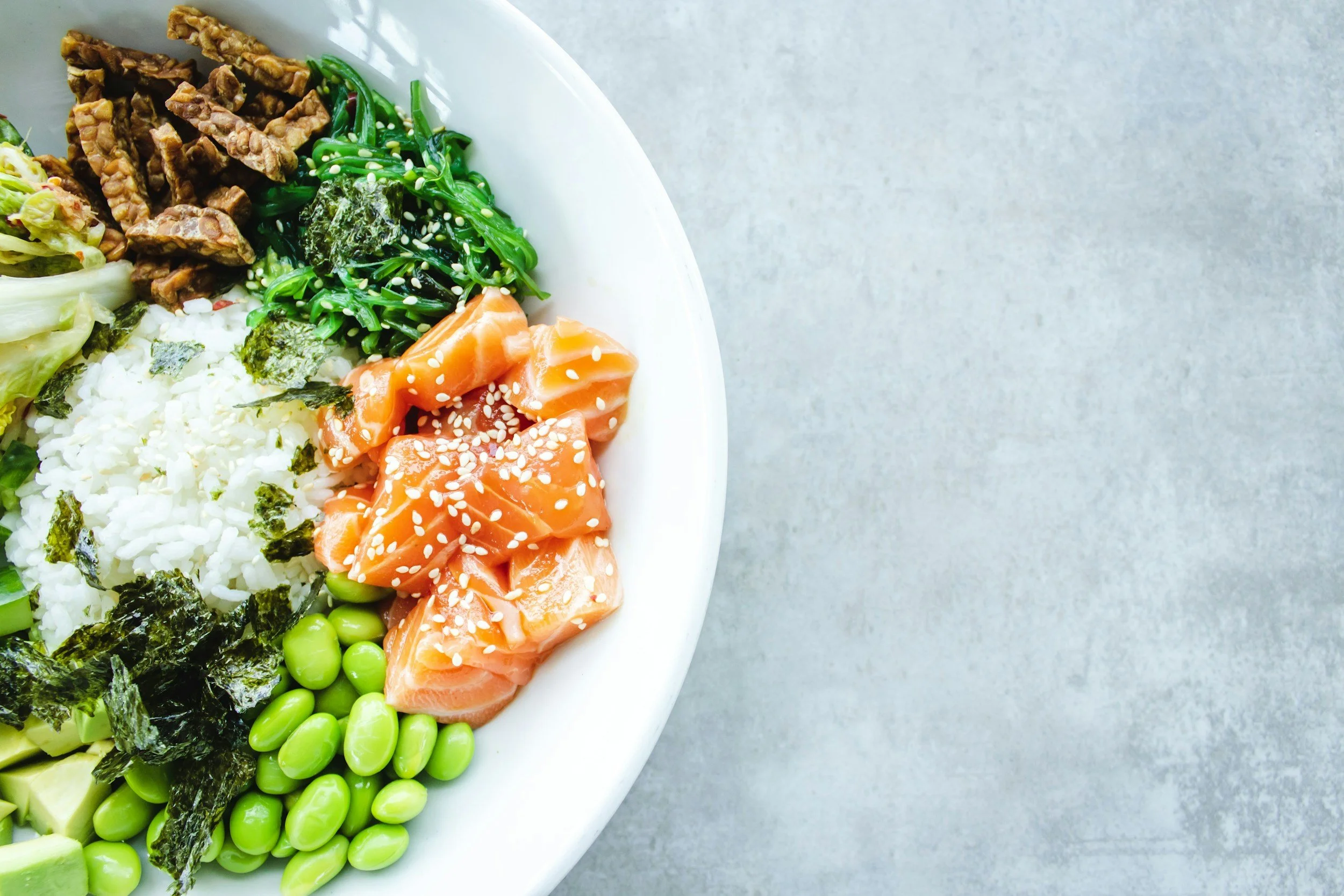
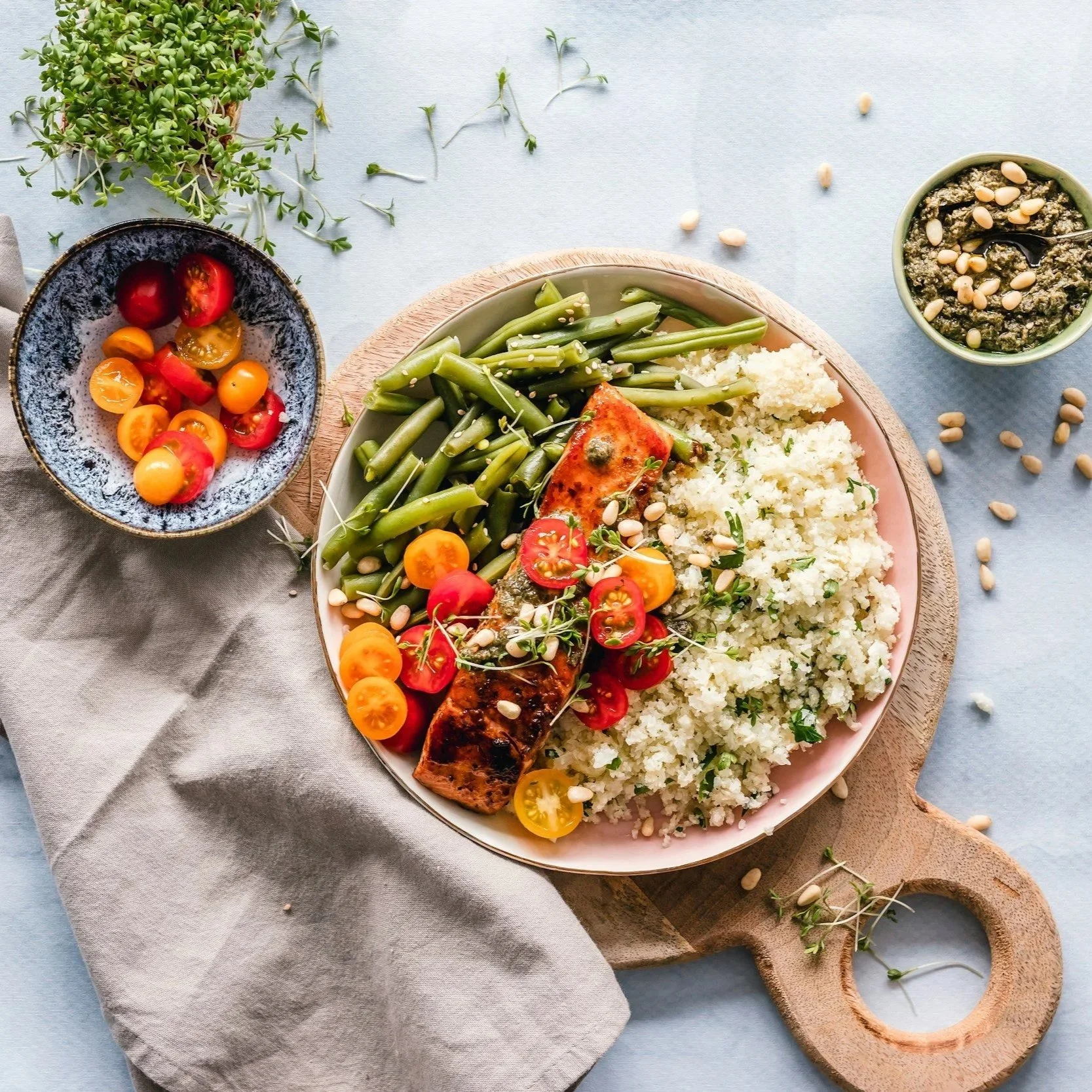
Oily fish (salmon, mackerel, sardines) — aim for 2–3 portions per week
Nuts and seeds — especially walnuts, flaxseeds, and pumpkin seeds
Eggs (with the yolk)
Omega-3 fatty acids from oily fish are particularly powerful — they reduce inflammation, support brain function, and help regulate your menstrual cycle.
3. Protein at Every Meal — For Blood Sugar and Insulin
Unstable blood sugar is one of the biggest drivers of hormonal chaos. When your blood sugar spikes and crashes, it triggers excess insulin production — which in turn disrupts oestrogen, testosterone, and cortisol.
The fix is simple: eat protein at every meal.
Breakfast: Eggs, Greek yoghurt, or a protein smoothie
Lunch: Chicken, fish, lentils, or tofu with vegetables
Dinner: Salmon, lean meat, or chickpea-based dish
Snacks: Nuts, boiled eggs, cottage cheese, edamame
Aim for 25–35g of protein per meal to keep blood sugar stable.
4. Fibre — For Oestrogen Clearance and Gut Health
Fibre binds to excess oestrogen in your gut and helps eliminate it. Without enough fibre, oestrogen gets reabsorbed — making oestrogen dominance worse.
High-fibre foods for hormone balance:
Flaxseeds (ground) — 2 tablespoons daily
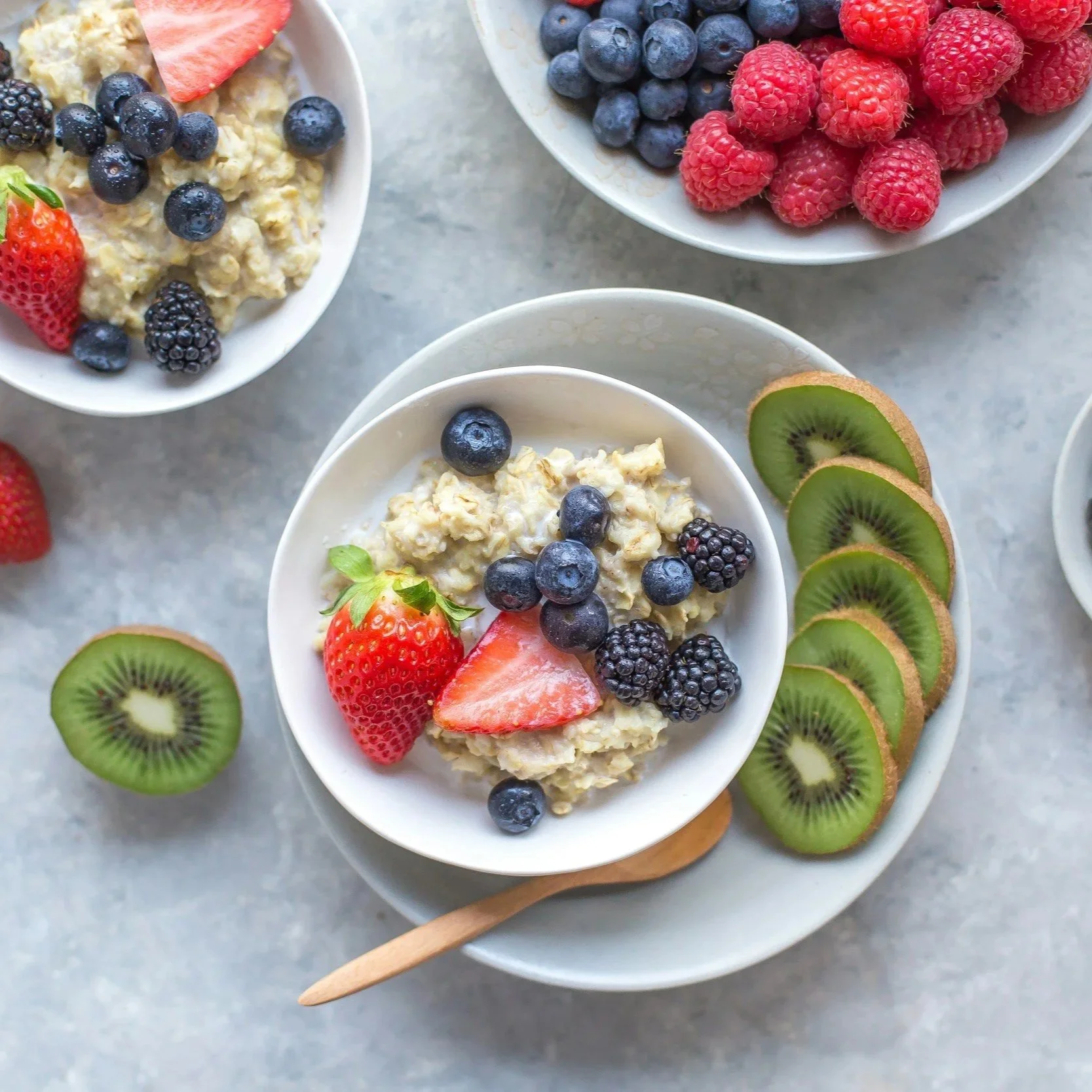
Oats
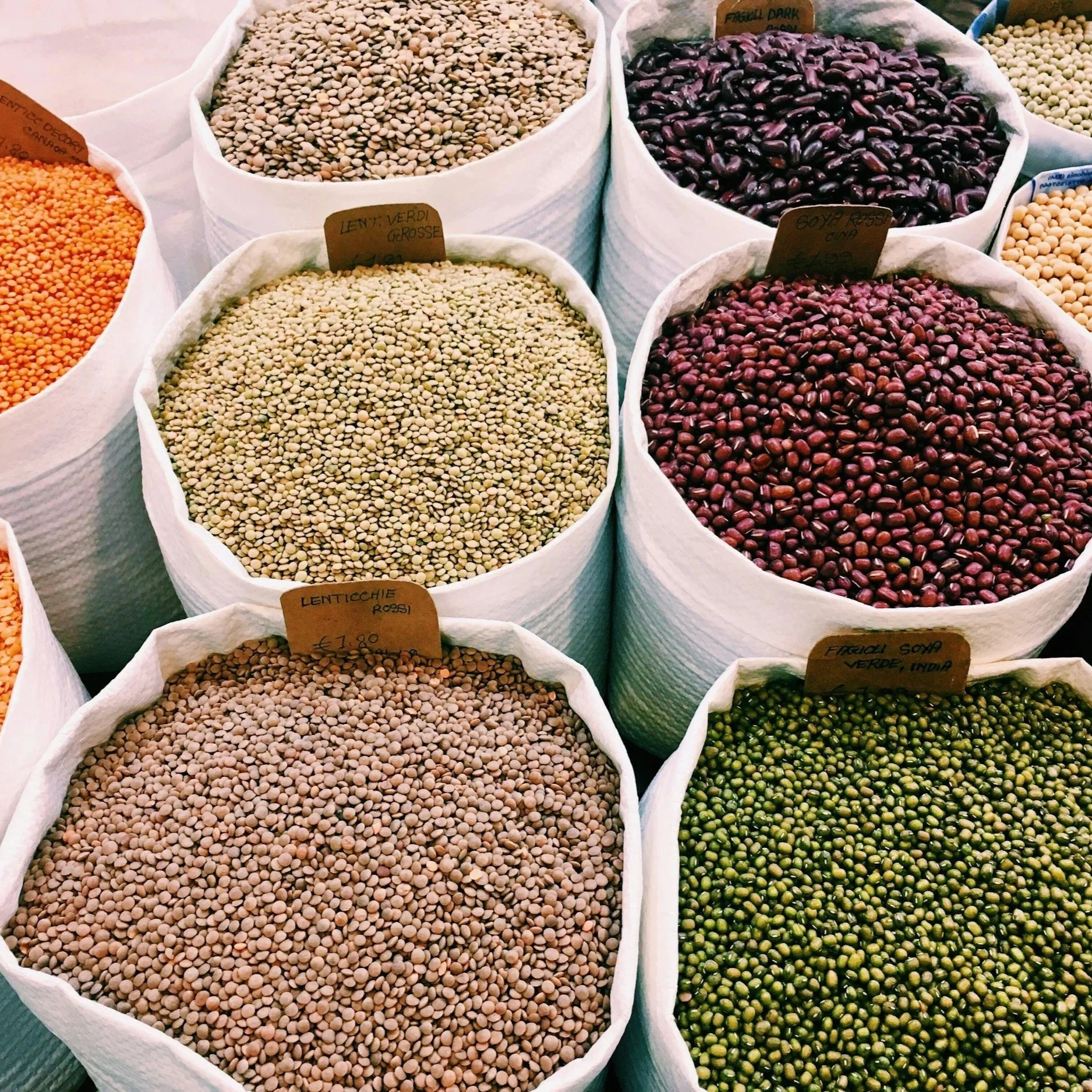
Lentils and beans
Vegetables (especially leafy greens)
Chia seeds
Sweet potatoes
Target: 25–30g of fibre per day. Most women in the UK get less than 15g.
5. Seed Cycling — A Natural Hormone Support Tool
Seed cycling is a practice where you eat specific seeds during different phases of your menstrual cycle to support hormone production:
Days 1–14 (Follicular Phase):
1 tbsp ground flaxseeds
1 tbsp pumpkin seeds
Supports oestrogen production and metabolism
Days 15–28 (Luteal Phase):
1 tbsp sesame seeds
1 tbsp sunflower seeds
Supports progesterone production
Add them to smoothies, yoghurt, or salads. The evidence is mostly anecdotal, but many of my clients report improved cycle regularity and reduced PMS.
What to Avoid for Hormone Balance
Just as important as what you eat is what you reduce:
Alcohol
Alcohol increases oestrogen levels and puts strain on your liver — the organ responsible for clearing excess hormones. Even 2–3 glasses of wine per week can measurably raise oestrogen.
My recommendation: Start with 2 alcohol-free days per week, then aim for alcohol-free weeks during your luteal phase (the 2 weeks before your period).
Ultra-Processed Foods
Processed foods contain inflammatory seed oils, added sugars, and additives that disrupt insulin, increase inflammation, and stress your liver.
Swap: Ready meals → batch-cooked meals. Cereal bars → nuts and fruit. Takeaway → homemade versions.
Excess Sugar
Sugar spikes insulin, which raises testosterone (leading to acne and hair loss) and disrupts the balance between oestrogen and progesterone.
You don't need to eliminate sugar entirely — but reduce it to occasional treats rather than daily habits.
Caffeine (In Excess)
One coffee a day is generally fine. But 3–4 coffees raises cortisol significantly, which steals resources from progesterone production (they share the same precursor hormone, pregnenolone — this is called the "pregnenolone steal").
If you're stressed and hormonally imbalanced: switch to 1 coffee before noon, then herbal tea for the rest of the day.
Lifestyle Factors That Support Hormone Balance
Diet is the foundation, but these lifestyle factors matter too:
Stress Management
Chronic stress is the single biggest hormone disruptor for South West London women. The cortisol-progesterone competition means that when stress is high, progesterone drops — causing PMS, anxiety, and sleep problems.
What helps:
10-minute walks on Battersea Park or Clapham Common after work
Breathwork or meditation (even 5 minutes daily)
Saying no to over-commitment
Reducing phone screen time in the evening
Sleep
Poor sleep disrupts cortisol, insulin, and leptin (your hunger hormone). Aim for 7–9 hours in a cool, dark room.
Evening routine for hormone health:
No screens 1 hour before bed
Magnesium glycinate supplement (helps sleep AND hormones)
Chamomile or valerian tea
Light stretching or journalling
Movement
The right exercise supports hormones. The wrong exercise makes things worse.
Hormone-friendly exercise:
Strength training 2–3x per week (builds muscle, improves insulin sensitivity)
Walking daily (reduces cortisol)
Yoga or Pilates 1–2x per week (supports nervous system)
What to reduce if hormones are struggling:
Excessive HIIT or running (raises cortisol)
Training fasted (stresses the body)
Exercising through exhaustion
A Day of Hormone-Balancing Eating in South West London
Here's what a typical day might look like for one of my Chelsea, Battersea, or Clapham clients:
Breakfast (7:30am)
3-egg omelette with spinach, feta, and avocado. Cup of coffee.
Mid-Morning (10:30am)
Small handful of walnuts + an apple.
Lunch (1pm)
Grilled salmon fillet with quinoa, roasted broccoli, and tahini dressing. Sparkling water with lemon.
Afternoon Snack (3:30pm)
Greek yoghurt with ground flaxseeds and berries.
Dinner (7pm)
Chicken stir-fry with pak choi, peppers, cashews, and brown rice. Herbal tea.
Evening
Magnesium supplement. Chamomile tea. Early bed.
When to See a Nutritionist for Hormone Balance
Consider working with a nutritionist if:
Your periods are irregular, heavy, or painful
You've been diagnosed with PCOS, endometriosis, or thyroid issues
You're experiencing perimenopausal symptoms
You've gained weight that won't shift despite diet and exercise
Your mood, energy, or skin has changed significantly
You've tried everything on your own and nothing's working
A nutritionist can assess your symptoms, recommend appropriate testing, and create a targeted plan — not guesswork.

Work With a South West London Nutritionist
I specialise in helping women across Chelsea, Battersea, and Clapham rebalance their hormones through personalised nutrition. No extreme diets. No generic plans. Just science-backed, practical strategies that fit your life.
👉 Book your free discovery call →
Zara Smalley is a qualified nutritionist serving Chelsea (SW3), Battersea (SW11), and Clapham (SW4). She specialises in hormone balance, weight management, and gut health for women in South West London.