
Not sure what to look for in a personal trainer? Here's a South West London local's guide to choosing the right PT — from qualifications and style to location and results.
Read MoreIs It Safe to Exercise During Pregnancy? A Trimester-by-Trimester Guide
There is a stubborn myth that pregnancy is a season for putting your feet up. In truth, for most women, staying active is one of the most powerful — and enjoyable — things you can do for your changing body and your baby. The question was never whether to move, but how to move well as your body evolves week by week.
First, the reassurance
For an uncomplicated pregnancy, exercise is not only safe but actively encouraged by the NHS and the Royal College of Obstetricians and Gynaecologists. Staying active can ease back pain, lift your mood, improve your sleep, support healthy weight gain and reduce the risk of gestational diabetes — and it helps prepare your body for the marathon of labour and the fourth trimester beyond it. The golden rule: get the go-ahead from your midwife or GP, then work with someone who genuinely understands the pregnant body.
The first trimester: steady as you go
If you exercised before, you can usually continue — gently. This is the trimester of nausea and bone-deep tiredness, so give yourself grace on the days your body asks for rest. It is also the perfect moment to build the habits that will carry you through: a strong, well-connected core and pelvic floor, good posture, and a calm relationship with movement rather than a punishing one.
The second trimester: your window of energy
For many women this is the sweet spot — nausea lifts, energy returns and you still move with ease. It is a wonderful time to build strength: think supported squats, lunges, resistance work and everything that prepares you to carry and, later, to lift a baby all day. Two adjustments matter here: avoid lying flat on your back for long periods after around 16 weeks, and swap traditional sit-ups for deep-core work that protects against abdominal separation.
The third trimester: move to feel good
As your bump grows, the goal shifts from building to maintaining — and to feeling as comfortable as possible. Lower-impact strength, mobility for aching hips and backs, breathing practice and pelvic-floor work all come into their own now, quietly preparing you for birth and recovery. Balance changes as your centre of gravity shifts, so this is the time to train smart, not hard.
When to stop and call your midwife
Movement should make you feel better, not worse. Stop and seek advice if you experience vaginal bleeding, regular painful contractions, dizziness, chest pain, calf pain or swelling, fluid leaking, or reduced baby movements. When in doubt, always check in — a good specialist will never push you past what feels safe.
Pregnancy training in Battersea, Chelsea and Clapham
I work privately with expectant mums across Battersea, Chelsea and Clapham — at home, in the park, or online — adapting every session to your trimester, your energy and your goals. No crowded gym, no guesswork, just safe, expert coaching that meets you exactly where you are. Explore pre & postnatal personal training in South West London
How to Heal Diastasis Recti: A New Mum's Guide to Closing the Gap
If your belly still looks a little pregnant months after birth, or you notice a soft ridge running down your middle when you sit up, you are not alone — and you are almost certainly not doing anything wrong. What you may be experiencing is diastasis recti, and the good news is that it responds beautifully to the right, patient work.
What diastasis recti actually is
During pregnancy, the two bands of your abdominal muscles separate along the midline to make room for your growing baby — a normal, clever adaptation. For many women the gap narrows on its own; for others it lingers, leaving the core feeling weak, the lower back achy, and the tummy stubbornly domed. This is diastasis recti, often nicknamed the tummy gap or mummy tummy.
How to check for it at home
Lie on your back, knees bent, feet flat. Place your fingers just above your belly button and gently lift your head and shoulders. If you feel a gap of two fingers or more, or a soft doming pushing up through your fingers, that is a sign of separation. It is a useful indicator — though a proper assessment with a specialist gives you far more to work with.
The do's and don'ts of healing
Avoid the instinct to blast your abs. Traditional sit-ups, crunches and planks too soon can widen the gap and deepen the doming. Instead, healing begins from the inside out: reconnecting your breath, your deep core and your pelvic floor, then layering on gentle, progressive strength that teaches your midline to knit back together and hold under load.
Progress that lasts
With consistent, well-designed training, most women see real improvement — a flatter, stronger, more functional middle, less back pain and a core they can trust again. It rarely happens overnight, but it does happen, and it is worth every session.
Specialist core recovery in Clapham, Battersea and Chelsea
I assess each client's diastasis recti in person and build a safe, progressive programme around it, working with mums across Clapham, Battersea and Chelsea at home or online. If you are unsure where to start, this is exactly what a specialist is for.
Clapham 20-Minute Full-Body Workout: A Women’s Health–Style Fat-Burning Session You Can Do Anywhere
A quick and effective 20-minute full-body workout designed for busy Clapham lifestyles. This Women’s Health–style session combines fat-burning strength and cardio exercises you can do at home, in the gym, or at Clapham Common—perfect for toning, improving fitness, and seeing real results without long workouts.
Read MoreHow Much Does a Personal Trainer Cost in Battersea?
Find out how much a personal trainer costs in Battersea. Compare pricing for mobile, outdoor and gym-based PT sessions in SW11 — and discover what affects the price.
Read MoreYour First Workout After Baby: When (and How) to Start Postnatal Training
Somewhere between the newborn fog and the longing to feel like yourself again, a question surfaces: when can I actually start exercising after having a baby? The honest answer is more nuanced — and more reassuring — than the internet would have you believe.
The six-week myth
The six-week GP check is often treated as a starting gun, but it is really a green light for gentle, guided movement — not a signal to leap back into your old bootcamp. Every mum, every birth and every recovery is different. Readiness is about how your body feels and functions, not a date on a calendar.
Start gentle, build from the foundation
The first phase is quiet and deliberate: breathing, deep core and pelvic-floor reconnection, posture, and gentle whole-body movement. It may not feel like much, but it is precisely what allows everything that follows — strength, energy, confidence — to be built on solid ground rather than a shaky one.
Training that fits around a newborn
Perhaps the biggest barrier to postnatal fitness is not motivation — it is logistics. That is why training at home or in the park, with your baby napping in the buggy or playing on a mat beside you, changes everything. No childcare to arrange, no commute, no pressure. Just twenty to forty focused minutes that are entirely yours.
More than 'bouncing back'
Forget the language of bouncing back. This is about moving forward — rebuilding a body that feels strong, capable and genuinely yours again, at a pace that honours everything it has just done. Feeling like yourself is not vanity; it is wellbeing.
At-home postnatal training across South West London
I bring specialist postnatal training to mums at home and outdoors across Battersea, Chelsea and Clapham, plus live online sessions across the UK — every programme built entirely around you and your baby's rhythm.
Best Nutritionist in Chelsea: What to Look For
Looking for the best nutritionist in Chelsea? Discover what qualifications to check, the right questions to ask, and why choosing a local nutritionist in SW3 can make all the difference to your health goals.
Read MoreOnline Personal Training: How Live 1-to-1 Coaching Works
Can't train in person? Zara Smalley's live 1-to-1 online personal training brings expert coaching to your living room — no gym, no equipment, no excuses. Here's how it works.
Read MoreClapham Common vs Gym: Which Is Better for Personal Training?
Wondering whether to train outdoors on Clapham Common or join a gym? A local SW4 personal trainer compares the benefits of outdoor personal training vs gym sessions to help you decide.
Read MorePostnatal Personal Training in Chelsea: When and How to Start
Discover when and how to start postnatal personal training in Chelsea. Expert guidance for new mums in SW3 — safe, supportive sessions to rebuild strength after birth.
Read MorePostnatal Personal Training in Knightsbridge & Belgravia
Recovering after birth? Discover how postnatal personal training in Knightsbridge and Belgravia helps new mums safely rebuild core strength, heal diastasis recti, and regain confidence — all from the comfort of home.
Read MoreWhat to Expect From Your First Personal Training Session in Battersea
Nervous about your first PT session in Battersea? Here's exactly what to expect when training with a mobile personal trainer in SW11 — from warm-up to cool-down.
Read MoreHow Much Does a Personal Trainer Cost in Clapham? The Honest 2026 Price Guide
Real prices from a working Clapham PT — what you should pay, what's worth paying more for, and how to get the best value from a personal trainer in SW4.
If you're searching "how much does a personal trainer cost in Clapham", you've probably had the same shock most newcomers do: prices range from £50 to £150 per session, and no one really explains why. As a working personal trainer in Clapham, I'll break down exactly what you should expect to pay in 2026, what drives the price up or down, and how to get genuinely good value in SW4.
Personal Trainer Cost in Clapham: 2026 Quick Answer
The average personal trainer in Clapham charges £55–£95 per hour in 2026. Here's the realistic breakdown:
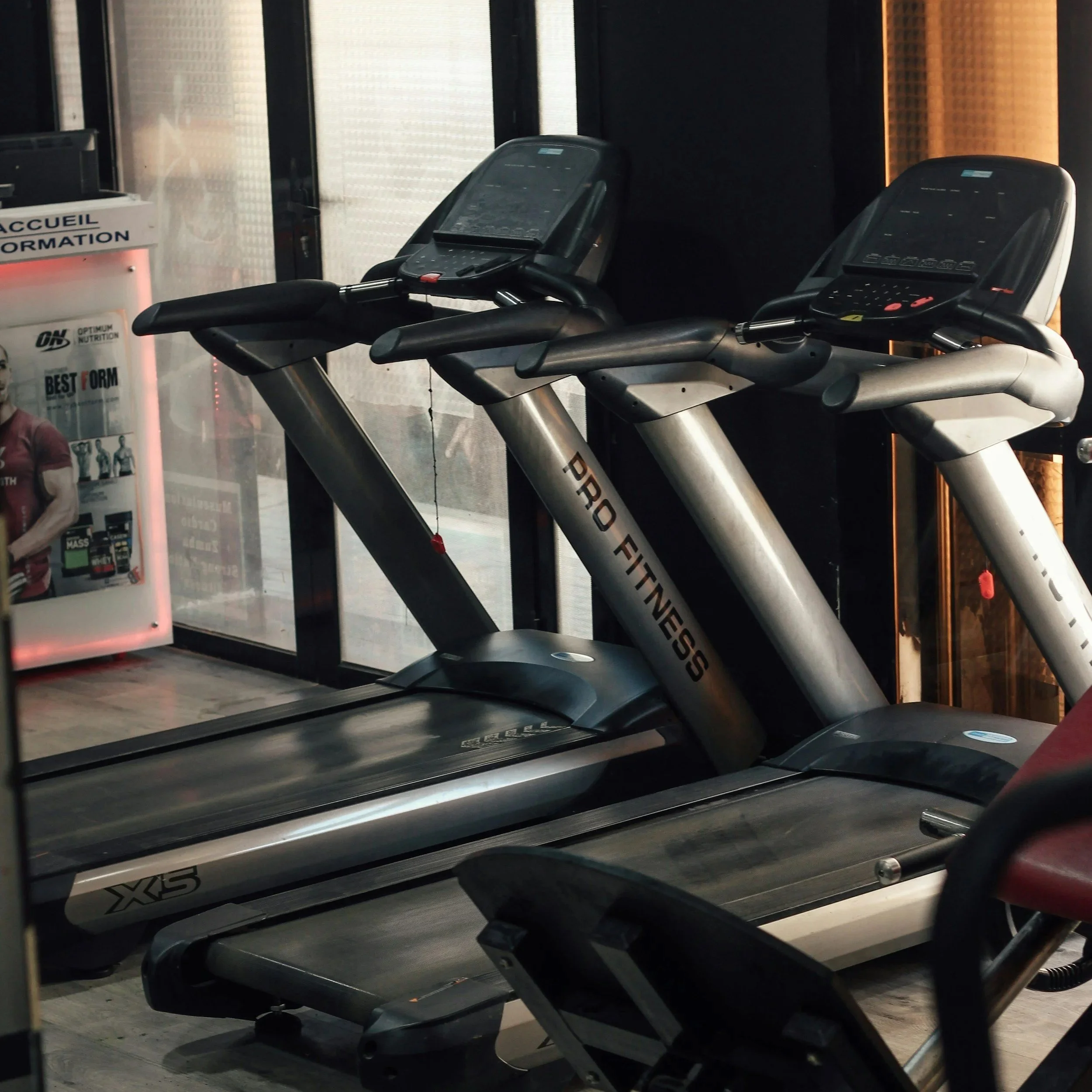
Gym-employed PT (Virgin Active, PureGym, Third Space): £55–£75 per session
Independent / mobile PT (your home, outdoors, partner studios): £65–£85 per session
Specialist PT (pre/postnatal, rehab, elite strength):£85–£120 per session
Online / hybrid coaching: £150–£300 per month
Small-group PT (2–4 people): £25–£45 per person, per session
What Actually Drives Personal Trainer Pricing in Clapham
Five factors explain almost every price difference you'll see in SW4:
Qualifications. A Level 3 PT is the legal minimum. Level 4 specialists (lower back pain, pre/postnatal, GP referral, nutrition) charge 20–40% more — and they're worth it for those goals.
Experience. A PT with 8+ years and a track record of client transformations charges more than a first-year trainer. Both can be excellent — but you're paying for problem-solving speed.
Venue. Premium gyms (Third Space, Equinox-style) pass on rent through their PT prices. Outdoor and mobile PTs often deliver better value for the same skill level.
Session length. "60 minutes" sometimes means 50 minutes of training and 10 minutes of changeover. Mobile and outdoor PTs typically deliver a true 60.
What's included. Programming between sessions, nutrition coaching, weekly check-ins and WhatsApp support add real value — and cost.
How to Get the Best Value From a Clapham PT
Buy in blocks. 10–20 session packages usually save 10–20% and dramatically improve consistency.
Train 2x per week. The sweet spot for results without breaking the budget.
Consider mobile or outdoor. No gym rent in the price = better value per session.
Pair with a programme for solo days. A good PT writes you workouts to do alone — multiplying the value of every session you pay for.
Commit to 12 weeks minimum. Anything less rarely produces the visible change that makes the investment feel worth it.
The Real Cost of NOT Hiring a PT
Most Clapham clients I work with have spent £600–£1,200 on unused gym memberships, failed transformation programmes and expensive home equipment in the 2–3 years before booking a PT. That's roughly the cost of 12–20 properly delivered sessions — which is exactly when most people see life-changing results.
The question isn't really "how much does a personal trainer in Clapham cost?" It's "how much is another year of not getting in shape going to cost?"
Frequently Asked Questions
How much does a personal trainer cost in Clapham? £55–£120 per session in 2026, depending on venue, qualifications and what's included. Block bookings save 10–20%.
Is it cheaper to train at a gym or hire a mobile PT? Mobile PTs are usually similar in price to gym PTs — but you save the gym membership (£60–£200/month) and the commute. For most Clapham clients, mobile is better value overall.
How many sessions per week do I need? Two sessions per week is the gold standard. One works if you train independently in between. Three is for serious fat loss or strength goals.
Are block bookings worth it? Yes. The discount is nice; the commitment effect is the real win. Block-buying clients consistently get better results.
Can I claim PT sessions on private health insurance?Sometimes — particularly post-injury or with a GP referral. Always ask your insurer first.
Ready for a Clear Quote?
Book a free 30-minute consultation with Zara Smalley — Clapham's mobile personal trainer. We'll talk through your goals, schedule and budget, then build a package that actually fits.
Zara Smalley is a fully qualified mobile personal trainer covering Clapham (SW4), Battersea (SW11), Balham (SW12), Wandsworth and Chelsea (SW3, SW10). Specialising in women's fitness, weight loss, strength training, and fitness over 40.
Pre and Postnatal Personal Training in Pimlico SW1
Safe, expert pre and postnatal personal training in Pimlico SW1. Home and outdoor sessions tailored to every trimester — from bump to beyond
Read MoreChelsea Personal Trainer Client Spotlight: Getting Fit After 40
A client spotlight from Chelsea showing how to get fit after 40 with a smart, sustainable approach. Learn how strength training, simple nutrition habits, and consistent personal training in Chelsea can help you lose fat, build strength, and improve your health—no extremes required.
Read MorePostnatal Fitness Guide for New Mums in Clapham
Getting back into fitness after having a baby can feel overwhelming — but it doesn't have to be. This guide covers everything new mums in Clapham need to know about postnatal exercise, from when to start to the best local classes and outdoor workouts on Clapham Common.
Read MoreBest Places to Exercise Outdoors in Clapham Common
Discover the best outdoor exercise spots on Clapham Common — from the bandstand circuit for HIIT to hill sprints on the south side. A local personal trainer's guide to training outdoors in SW4.
Read MoreBattersea Nutritionist: 5 Signs You Need Professional Nutrition Help
Wondering if it's time to see a nutritionist in Battersea? Discover 5 key signs that professional nutrition support could transform your health
Read MoreHow to Stay Fit at Home in Chelsea: A Personal Trainer's Guide
Learn how to stay fit at home in Chelsea with expert tips from a mobile personal trainer. Discover simple, effective home workouts tailored for busy SW3 residents — no gym needed.
Read MorePersonal Trainer Clapham: Your Local Mobile PT on Clapham Common
Certified mobile personal trainer in Clapham. Private 1-to-1 sessions on Clapham Common, at your home, or online. Book a free consultation with Zara Smalley.
Read More